About SEALS Academy

One connected path from design and fabrication to flight and competition.

SEALS Academy connects CAD, 3D printing, mini rockets, flight data, and ARC coaching so students can grow through a continuous engineering process instead of disconnected activities.

Our story

Why we started SEALS Academy.

SEALS Academy grew from a simple observation: students can be excited about rockets and engineering without having a clear path from foundational making to real launches and competition.

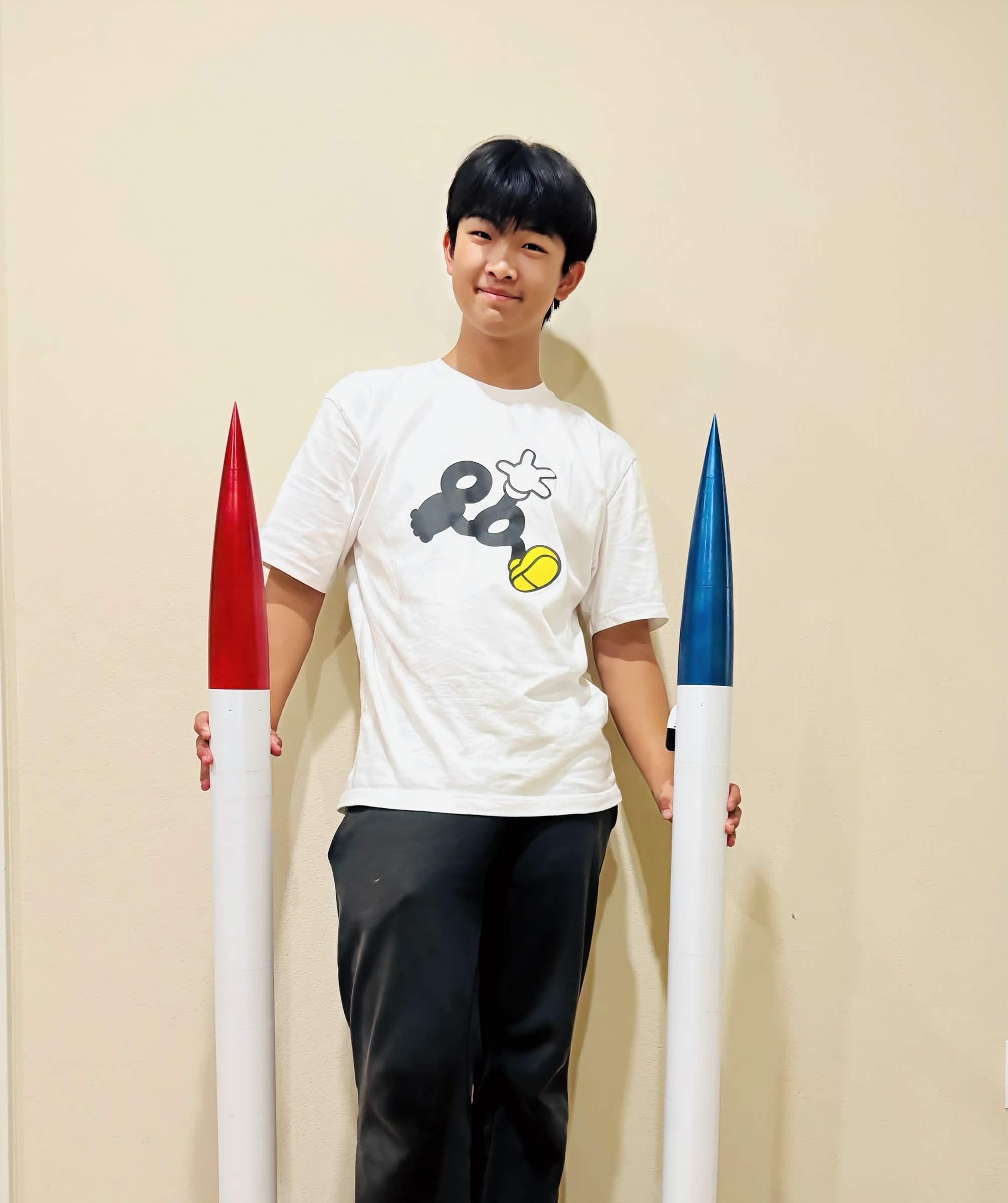
Eric progressed from CAD, model rockets, and ARC work into NASA Student Launch Initiative and high-power rocketry. After earning NAR Level 1, he completed a J-class flight to 5,000 ft on August 4, 2026, and earned NAR Level 2 certification.

That experience shapes the program's method: understand the constraints, design, build, test, record data, and iterate. The certification is Eric's personal high-power rocketry credential; it is not a teaching license or NAR endorsement of the courses.
Why rocketry

The same engineering loop can support every stage of growth.

From CAD to ARC

The American Rocketry Challenge is an engineering competition. Students design, build, and fly rockets to meet specific altitude and payload targets. It rewards iteration, precision fabrication, and the discipline to test before you fly. Eric's branch teaches students to think like engineers — measure, revise, improve — through a real build-test-fly cycle.

Credibility from real flight work

Eric's NAR Level 2, NASA SLI avionics work, and ARC experience ground the program in real decisions about stability, safety, recovery systems, and flight data. Student courses still use equipment appropriate to their age and project.

Meet the founder

The person behind SEALS Academy.

Eric Song

Co-Founder & Lead Instructor

Eric Song

ARC / Rocketry Program Lead

Eric is a senior at Portola High School with hands-on experience in model and high-power rocketry. After first earning NAR Level 1 certification, he advanced to NAR Level 2 High Power Rocketry certification on August 4, 2026, using a J-class motor on a certification flight that reached 5,000 ft. He serves as the avionics compartment co-lead for a NASA Student Launch Initiative (SLI) team, with work in avionics, motor integration, and airframe construction. Eric uses Fusion 360, Onshape, and SolidWorks for CAD work. He also founded and leads his school's Aviation & Aerospace Club, which has more than 80 members.

Teaching philosophy

From a young age, Eric showed an extraordinary gift for engineering and physics. He was the kind of student who didn't just learn concepts — he built, tested, and pushed ideas further. Rockets, in particular, captured his imagination. As he advanced in his learning, he discovered something frustrating: while there were many classes that taught theory, there were very few mentors who had real competition experience — people who could guide students through the full journey of designing, building, and successfully launching rockets for competitions like ARC.

Specialties

Rocket design and aerodynamics3D printing and rapid prototypingCAD modeling (Fusion 360, Onshape, Solidworks)ARC competition strategyEngine and airframe construction
  • NASA SLI team avionics compartment co-lead
  • NAR Level 2 certified — J-class flight to 5,000 ft on August 4, 2026
  • Founder & president of Aviation & Aerospace Club (80+ members)

What we believe

The principles behind how we teach.

Specialization over breadth

We focus on a connected rocketry pathway rather than spreading thin across unrelated STEM topics. Students get project-specific coaching grounded in real builds and flights.

Competition as motivation

Real competitions give students deadlines, standards, and stakes. We use that structure to drive focused, purposeful learning.

Preparation builds confidence

Anxiety comes from uncertainty. Structured practice, mock tests, and iterative builds help students feel ready.

Instructor credibility

Our rocketry lead brings hands-on ARC, NASA SLI, CAD, avionics, and NAR Level 2 High Power Rocketry experience to the program.

For parents

What to confirm before enrolling.

Confirm the current session

Current group size, instructor assignment, exact location, and supervision details are not published; request them in writing before enrolling.

Choose a contact channel

Parents can ask questions by email, text message, or WeChat and confirm how the current session will communicate updates.

Request the current safety plan

Confirm the current tools, equipment, supervision, and rocket-launch safety arrangements before enrolling.

Confirm the assigned instructor

The site shares the program leads' published backgrounds; confirm who will teach the current session before enrolling.

Work with us

Find the right path for your student or team.

Share the student's grade, current experience, and goals, and we will recommend whether to start with Mini Rockets or ARC coaching.