Archived Science Olympiad events and guides.
Science Olympiad is a team-based STEM competition. This page preserves earlier event and preparation resources, but SEALS Academy is not accepting new Science Olympiad coaching inquiries.
What is Science Olympiad?
The basics, clearly.
15 members
Team size
23 events
Events per tournament
6–9
Division B grades
9–12
Division C grades
Historical coaching approach
What we previously emphasized with SciOly students.
Build events done right
Build events reward consistent engineering, not just a clever design. We teach the calibration methodology and testing discipline that separates placing teams from struggling ones.
Science you actually understand
Our study event coaching focuses on conceptual depth. Students who understand the underlying science score more consistently than students who memorize facts.
Smart event selection
Choosing the wrong events is one of the most common early mistakes. We help students and families make decisions that match actual time commitment and learning style.
Events we cover
A sample of what's in the Science Olympiad lineup.
Trajectory
Teams build a device that launches a projectile at a target placed at an unknown distance revealed on competition day. Scoring rewards accuracy and consistency across multiple launches.
Scrambler
Teams construct a vehicle powered only by a falling mass that must travel a specified distance and stop as close to a target line as possible. Precision engineering and braking system design are key.
Elastic Launched Glider
Students build and fly a glider that must stay airborne for the maximum amount of time after being launched with a rubber band. Aerodynamics and balance are everything.
Wright Stuff
Teams build an indoor rubber-band-powered aircraft that must fly for as long as possible within a gymnasium. Competitors must understand propeller design, wing geometry, and power storage.
Astronomy
Students answer questions and solve problems on topics including stellar evolution, cosmology, exoplanets, and observational techniques. One of the most content-heavy study events.
Anatomy & Physiology
Teams answer questions on human body systems. The topic rotates each year (e.g., nervous, respiratory, cardiovascular). Depth of understanding matters more than breadth.
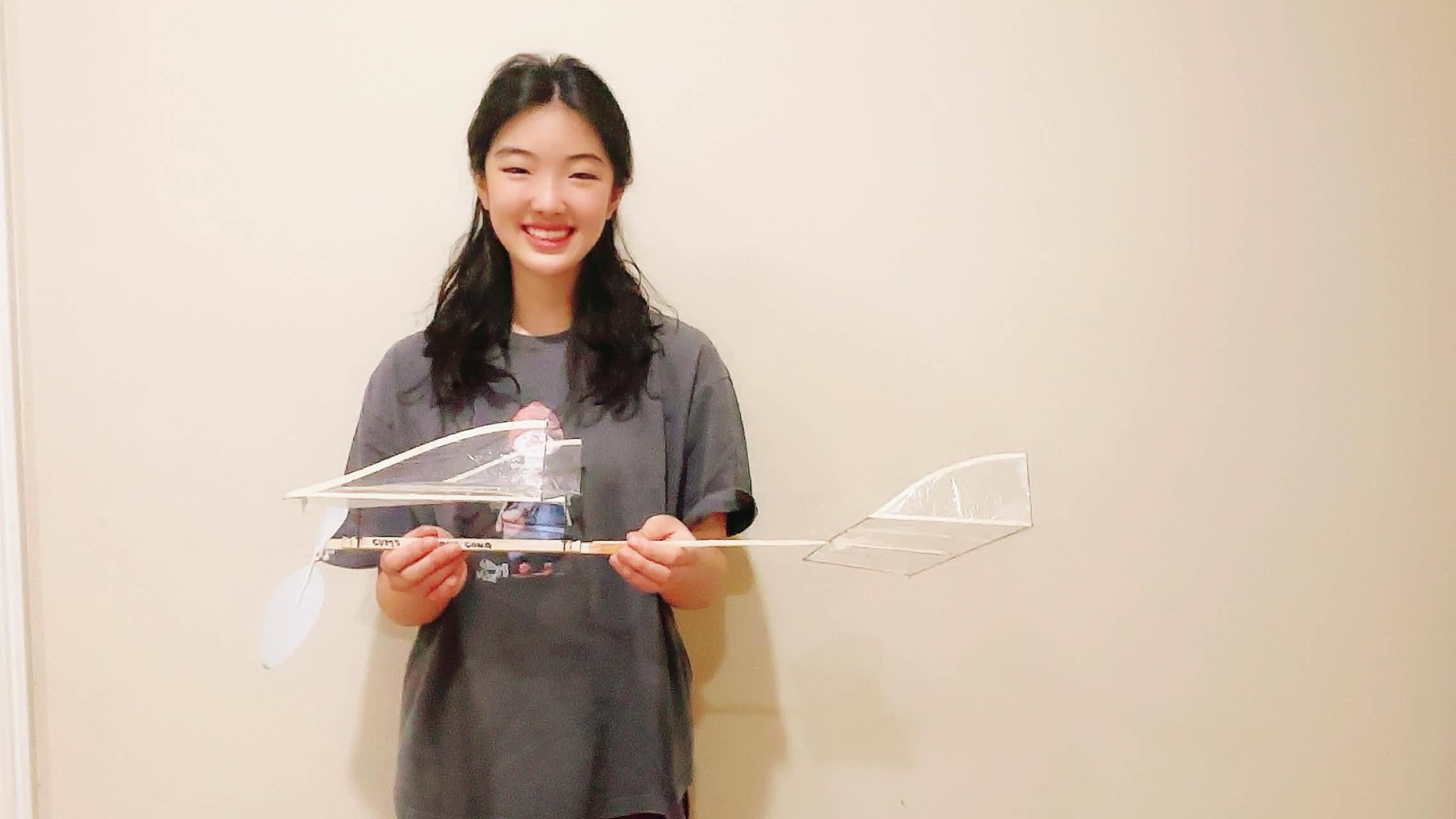
Led by Amy Song
Co-Founder & Science Olympiad Program Lead
Amy is a four-year varsity Science Olympiad competitor who has participated in state-qualifying and national-champion teams, earning over 70 medals at invitationals, regionals, and states. She brings deep mentoring experience and a structured approach to every coaching session.
SciOly guides
Start here if you're new to Science Olympiad.
Science Olympiad Astronomy Study Guide: Stellar Evolution, Deep Sky Objects, and Calculation Speed
A complete strategy for Science Olympiad Astronomy — master stellar evolution and cosmology, study the deep sky object list, build calculation fluency, and organize open-resource materials.
Build Events vs. Study Events in Science Olympiad: How to Choose
Compare SciOly build events and study events by time commitment, scoring, prep strategy, and how to choose the right event mix.
Science Olympiad Beginner Roadmap: What to Know Before You Start
A student and parent roadmap to Science Olympiad: divisions, event selection, team roles, and what the first season actually involves.
How to Study for Anatomy and Physiology in Science Olympiad
A structured study approach for the Science Olympiad Anatomy and Physiology event, covering body systems, study tools, and competition-day strategy.
Mousetrap Vehicle Optimization: Engineering a Competitive Build
Design, build, and tune a mousetrap-powered Science Olympiad vehicle with better lever arms, wheels, calibration, and distance control.
Current program focus
SEALS Academy is now focused on youth rocketry.
This page remains as a historical resource. New inquiries should explore Mini Rockets and ARC coaching.